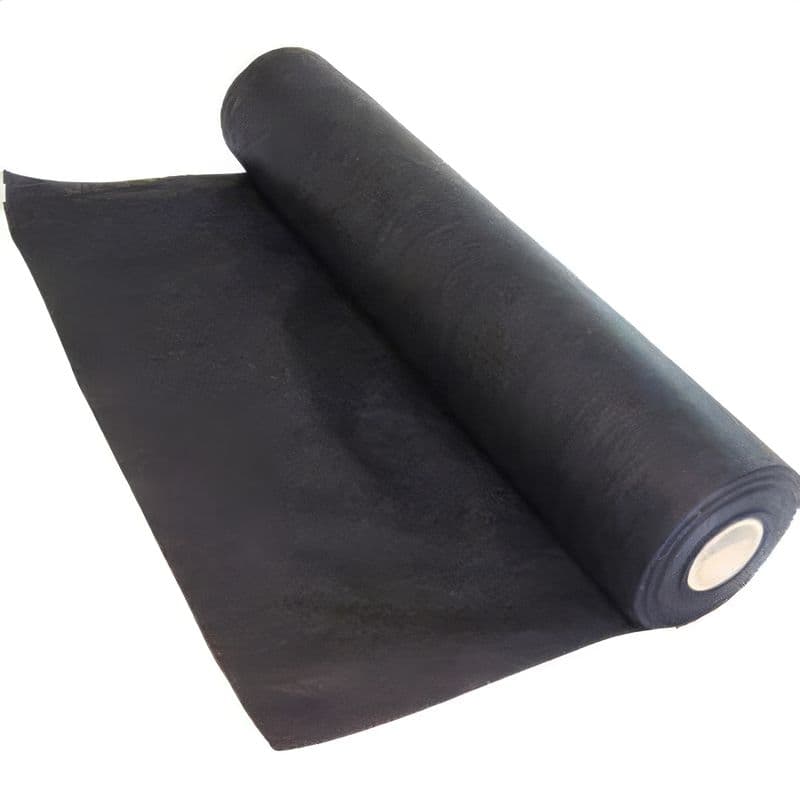
Black mulching fabric 50 g/m²
Price on request
Get a priceWhat black mulching fabric is used for, whether it lets water through and whether it protects against frost. How to prepare a bed, lay the fabric, pin it down with stakes and plant through it.
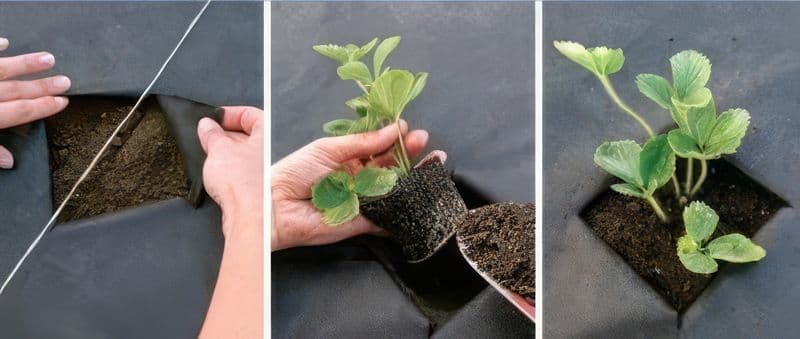
Mulching with black fabric is one of the easiest ways to stop weeding and keep moisture in the soil. Here we explain what black mulching fabric is for, how it works and how to lay it and pin it down properly.
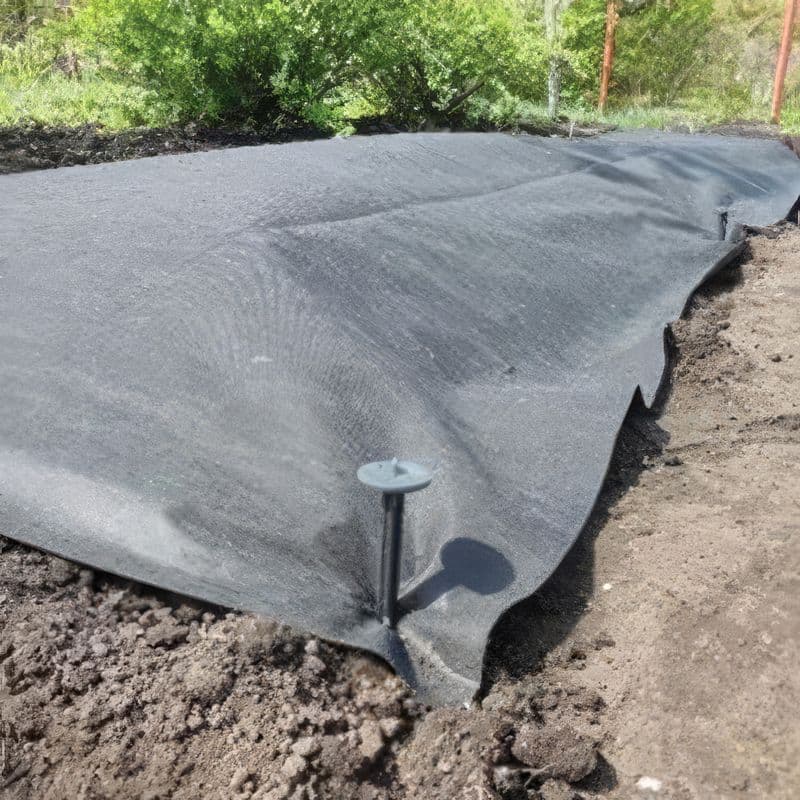
Mulching (black) fabric is a non-woven material for covering the soil. It is spread over a bed, and plants are set into cuts in it. What it does:
Uses: strawberries, vegetables, ornamental plantings, and the spaces and paths between beds.
White fabric (garden fleece) lets light through: it is laid over plants to protect them from frost, sun and pests. Black fabric blocks light, so it is laid on the soil, under the plants. They are different tools for different jobs and are often used together.
Yes. Mulching fabric is non-woven, so water passes through it into the soil. So why does it sometimes seem that the fabric does not let water through?
The best solution is drip irrigation under the fabric: the tube is laid before the fabric goes down and held in place with 19 cm drip tube holders, which stop it from moving. Water goes straight to the roots and does not evaporate.
For mulching, black fabric of around 50 g/m² is used: it is strong enough to last under plants and still lets water and air through. Gartec black mulching fabric has a weight of 50 g/m² and a UV stabiliser additive. A roll is 3.2 × 100 m, i.e. 320 m².
Black fabric is most often laid in spring, before planting out seedlings: the soil underneath warms up faster and the plants get off to an earlier start. For strawberries, the fabric can also be laid at the end of summer, before planting runners in autumn. The main thing is not to lay it on cold, waterlogged soil: let the ground dry out and warm up first.
A Gartec roll is 3.2 m wide and 100 m long. Work out how many running metres of fabric your plot will take, allowing for overlaps and extra for burying the edges. For example, a 10 × 3 m strawberry patch is covered by a single 3.2 m wide strip: you need about 10.5 m of fabric with extra for the edges. One roll is enough for about nine such patches.
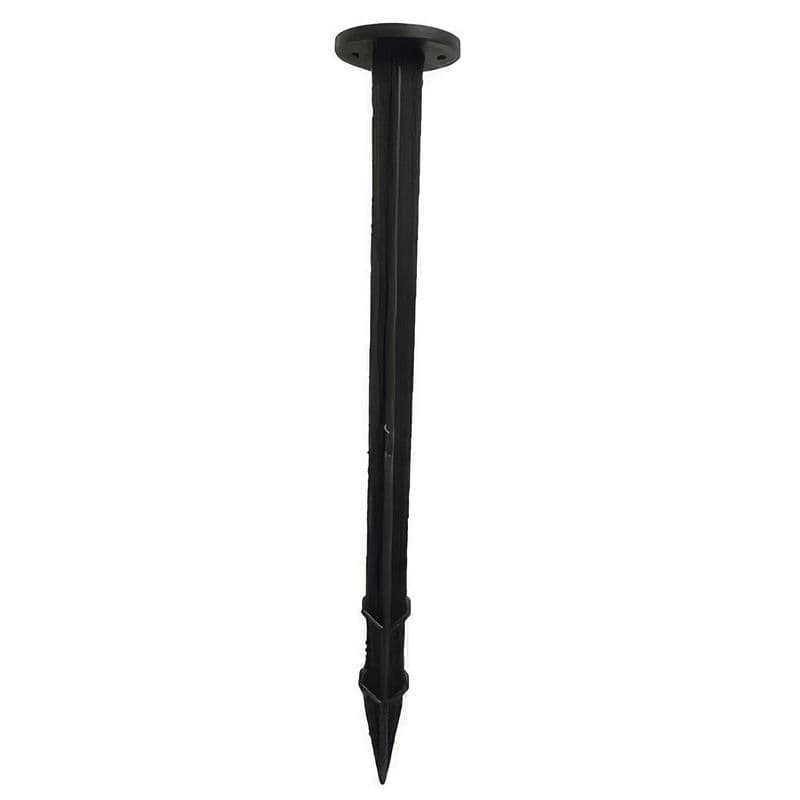
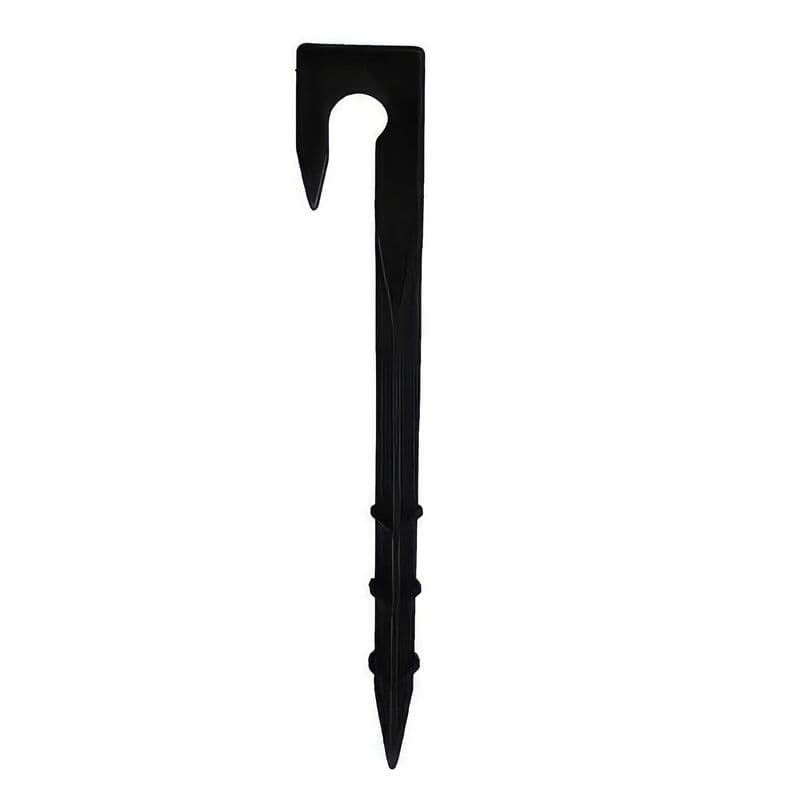
Gartec stakes are 19 cm long, 30 mm wide and made of polypropylene. They are non-toxic, resistant to UV, moisture and mould, and have an unlimited shelf life. The stakes also work for geotextile, plastic film and other covering materials.
Stakes are usually placed around the edges and along the joints every 0.5 to 1 m, closer together on exposed, windy sites. The number depends on the length of the edges and joints: measure them in metres and divide by the chosen spacing.
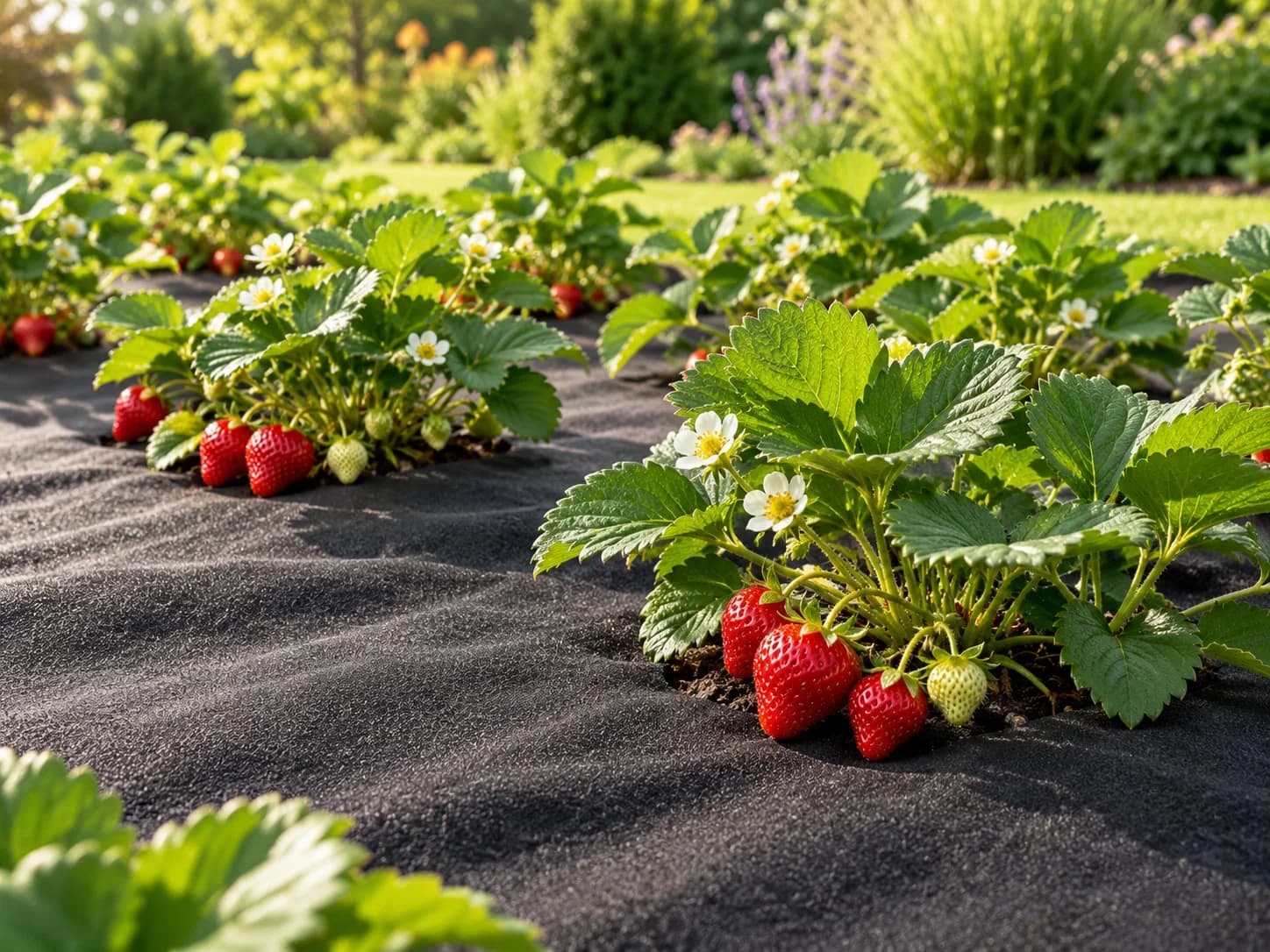
Strawberries are the main crop that black fabric is laid under. The berries rest on dry, clean fabric instead of wet soil, so they rot less and do not get dirty after rain. Runners do not root wherever they like, and the bed needs no weeding.
A few tips specifically for strawberries:
Under perennial strawberry plantings, the fabric is left for several seasons, until you renew the patch.
The spaces between beds can also be covered with black mulching fabric pinned down with stakes: no weeds, and the paths stay dry. To keep soil from the beds spilling onto the fabric, plastic edging is set along the edges of the beds.
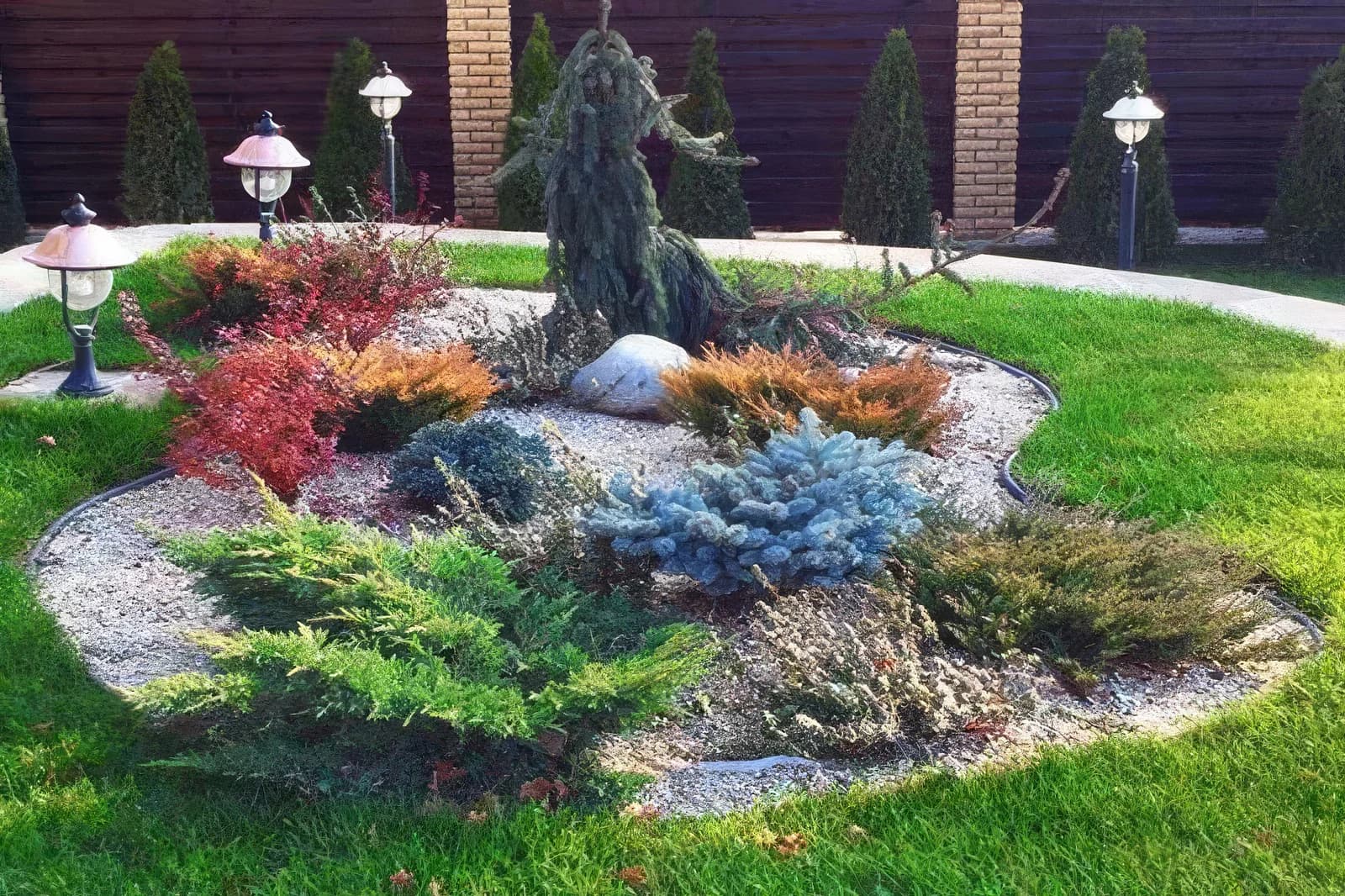
Under shrubs, conifers and in mixed borders, black fabric also does away with weeding. Here it is often covered with decorative mulch such as bark, wood chips or pebbles. The fabric stops weeds from growing up from below, while the mulch shields it from direct sun and makes the planting look neat. The edges of such a bed are easily finished with flexible edging so the mulch does not spill onto the lawn.
At the end of the season, the fabric is lifted, cleaned of soil, dried and rolled up for storage, so it can be used again. On perennial plantings such as strawberries, the fabric is left for several seasons.
Mulching fabric, stakes and holders are in the mulching and irrigation section. Prices are listed in the catalogue and drop from 10 units. Farms and shops get wholesale terms in the customer account.
For mulching: it suppresses weeds, reduces moisture loss, helps the soil warm up faster in spring, protects roots from frost and keeps berries and fruit clean.
Yes, it is a non-woven material and water passes through it. If water sits on the surface, the cause is usually dry fabric, a strong jet or compacted soil underneath. Drip irrigation under the fabric is the most convenient way to water.
It protects plant roots because it covers the soil. To protect the above-ground parts of plants from frost, white fabric (garden fleece) is laid over them.
With 19 cm plastic stakes along the edges and joints, usually every 0.5–1 m. The edges can also be buried in soil.
Usually around 50 g/m². Gartec black mulching fabric weighs 50 g/m², is 3.2 m wide and comes in 100 m rolls.
What dimpled membrane is used for, which way up to lay it on a foundation and under perimeter paving, and how to fix it without damaging the waterproofing. Step-by-step installation and common mistakes.
Read →How anti-mole mesh works, how deep to lay it and how to leave moles no way in at the joints and around the edges. A step-by-step guide for turf and seeded lawns.
Read →We compare garden edging materials and models: height, top tube, coil length and colour. Find out which edging works best for flower beds, vegetable beds, lawns and paths, and how much you need.
Read →